
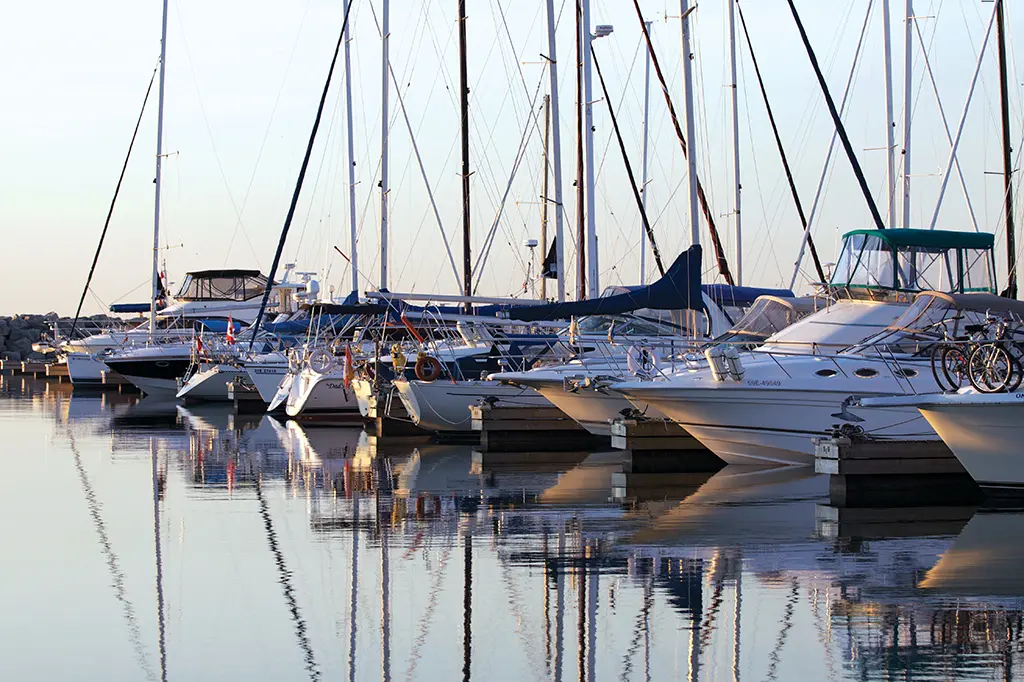
My first advice when buying a boat is to keep your head. In my experience, it is very easy to get excited about a boat that looks “almost just what I’m looking for” and then allow your excitement to get in the way of looking too closely. Remember, even if you purchase a boat straight from the factory as a new boat, there will be issues to deal with immediately. The list of problems, costs, and expenses only gets longer as the boat ages. Deep breaths. There are lots of boats out there, and this is a real boat buyers’ guide—a collection of boat-buying tips and steps to buying a boat that will help you through the process.
A fundamental first step is to ensure that your partner is on board and part of the process. I have seen people get very enthusiastic about boats. The partner is emotionally supportive, and the boat is purchased. But after the first few outings, the novelty fades, and the partner becomes less enthusiastic—and less present – and less happy. This becomes especially true once the marina fees, storage costs, and repairs start rolling in. If you are in a serious relationship, involving your partner in the decision to become a boater—and boat shopping for the right craft—from the start is essential for making boating fun.
Now that everyone is on board, what type of boat are you looking for? Do you have experience with this particular type of boat? Perhaps you’ve done some research by reading reviews or visiting forums. Do you know someone who owns one, or have you received a referral? While the aesthetics of the boat are important, there are several key factors to consider before making a purchase. Is the boat known for its quality, reliability, and ease of use? For example, some small cabin cruisers come equipped with a single stern drive engine, which can make them notoriously difficult to dock in windy conditions. Following sound boat-buying advice could have alerted you to this potential issue and helped you avoid a costly mistake, such as increasing the odds of damaging your vessel while docking.
Speaking of docking, where will you keep the boat? Is there room at the local marina or yacht club? Is that location in a place you would like to be? What are their fees? Keep in mind that in temperate climates, these fees will involve hauling for the winter, pressure washing, possible shrink wrapping, and engine and systems winterizing. There’s also on-site storage, spring launching, and summer cradle storage. All these are important factors when it comes to costs, budget, and financing your boating lifestyle.
Should you be looking for a new or used boat? Here is a piece of wisdom that those of us who have been involved in buying and selling boats know: The only deals you will ever get on a used boat involve a divorce or a death. The marriage ends, the assets have to be divided, and the boat ends up for sale, and they want it gone quickly. Or, a partner passed away; it was once part of their life, and now it is just a reminder that needs to be sold. In my experience, if you can’t find any widows or beaten-up, demoralized-looking people at the boatyard, the price of boats is usually set according to the following equation:
- High demand = higher price (and vice versa).
- More repairs required = a lower price.
- Cost of repair work + lower price = price of a more expensive boat.
Once you have narrowed your search, a pre-purchase survey and, where appropriate, a sea trial can help you make the decision with clearer information. Kiki Marine serves Toronto-area buyers across the Lake Ontario corridor.
Need a marine survey in Toronto or on Lake Ontario?
Kiki Marine provides pre-purchase and insurance boat surveys across Toronto and the GTA, including Oakville, Port Credit, Etobicoke, Toronto Harbour, Scarborough, Pickering, Ajax, and Whitby.
Buying in the GTA? The Toronto Marine Survey page explains how a local pre-purchase or insurance survey can support the decision before closing.